

Advanced Roofing Solutions and Performance Insights for Central Coast Properties
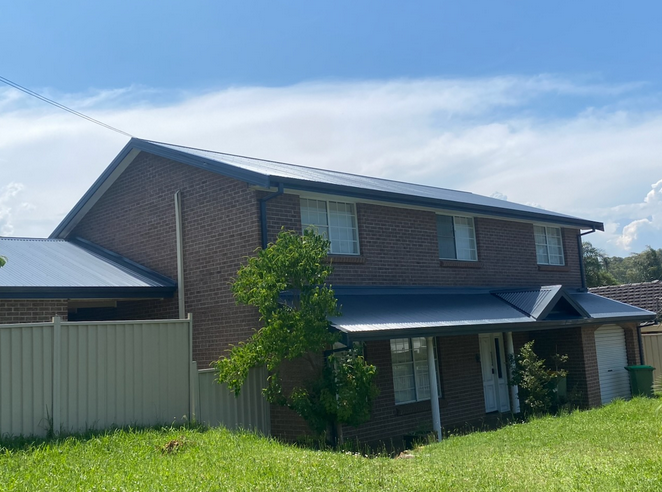
The Central Coast region continues to experience variable coastal weather patterns, with heavy rainfall, strong winds, and salt-laden air impacting residential and commercial structures. Property owners are increasingly prioritizing durable and energy-efficient roofing systems that can withstand these environmental challenges. In this context, Roofing Central Coast services have become essential for maintaining structural integrity, improving property value, and ensuring long-term protection against weather-related damage. Modern roofing solutions now incorporate advanced materials, improved installation techniques, and preventive maintenance strategies designed to extend roof lifespan while reducing overall repair costs for homeowners and businesses alike.
Frequent exposure to coastal humidity and ultraviolet radiation accelerates roof deterioration, with industry observations suggesting that nearly 35 percent of premature roofing failures are linked to inadequate maintenance practices. In regions like Central Coast, roof inspections are recommended at least twice per year to prevent minor issues from escalating into costly structural repairs. Studies within construction sector indicate that proactive maintenance can extend roof lifespan by up to 40 percent, particularly when modern sealing and coating technologies are applied. Homeowners are increasingly investing in reflective roofing materials, which can reduce indoor heat absorption by 15 to 25 percent during peak summer months. These improvements enhance comfort and contribute to lower energy consumption. As property development continues across coastal suburbs, roofing quality standards are becoming more stringent, encouraging adoption of durable and weather-resistant systems designed specifically for coastal environments overall resilience.
Modern roofing systems on Central Coast commonly utilize materials such as metal, terracotta tiles, and asphalt shingles, each offering distinct advantages depending on environmental exposure and budget considerations. Metal roofing is known for high resistance to corrosion and wind uplift, making it a preferred option in coastal zones. Tile roofing provides excellent thermal insulation, reducing indoor temperature fluctuations by up to 20 percent, while asphalt shingles offer cost-effective installation with moderate durability. Industry data suggests metal roofs can last over 40 years with proper maintenance, outperforming traditional alternatives. Property owners evaluate roofing choices based on lifespan, energy efficiency, and maintenance requirements. Advancements in coating technology have improved resistance against salt corrosion, a common issue in coastal climates. Understanding material differences allows homeowners to make informed decisions that enhance structural performance and reduce repair expenses ensuring long term durability overall performance
Regular roof maintenance plays a crucial role in preventing structural damage and extending service life, particularly in coastal environments where salt exposure and heavy rainfall are common. Industry surveys indicate that more than 60 percent of roof leaks begin with minor, unaddressed issues such as cracked flashing or blocked gutters. Homeowners are advised to schedule routine inspections at least twice annually, especially before and after storm seasons. Preventive maintenance services can reduce long-term repair costs by up to 50 percent, according to construction maintenance benchmarks. Cleaning debris from roof surfaces and drainage systems helps maintain proper water flow and reduces moisture buildup. Early detection of issues such as loose tiles or deteriorating sealants significantly lowers the risk of expensive replacements. By prioritizing consistent upkeep, property owners can improve safety, enhance efficiency, and preserve structural integrity in demanding coastal conditions.
Roof energy efficiency has become a major concern for property owners seeking to reduce electricity costs and improve indoor comfort levels. Modern reflective coatings and insulation systems can lower cooling demands by up to 30 percent in warm coastal climates. Many homeowners now prioritize roofing upgrades that enhance thermal performance while maintaining structural durability. Industry benchmarks show that energy-efficient roofing materials can reduce annual energy bills significantly over time, especially in properties exposed to prolonged sunlight. Additionally, warranty coverage for advanced roofing systems often extends beyond 20 years, providing long-term financial security. Proper installation is critical to ensuring that insulation layers perform effectively without thermal bridging. As sustainability becomes a priority in construction, roofing solutions are increasingly designed to balance environmental responsibility with cost efficiency, offering long-lasting protection and improved energy management for residential and commercial buildings across Central Coast.
In summary, roofing performance in the Central Coast region depends on material selection, maintenance practices, and environmental resilience strategies. Property owners who invest in regular inspections and modern roofing technologies benefit from longer roof lifespans and reduced repair costs. Statistics consistently show that proactive care significantly minimizes unexpected damage, particularly in coastal climates. As construction standards evolve, roofing systems continue to improve in strength, efficiency, and sustainability. Choosing the right roofing approach ensures protection against harsh weather conditions while enhancing property value and comfort for years to come ensuring long term reliability and satisfaction overall performance results